Start with the questions behind the purchase
Before writing a polished opening line, list what a buyer needs to know to make a choice. What is the product? Who or what is it for? What size is it? What is included? How is it used or cared for? What might make it unsuitable? The answers will vary: a poster needs dimensions and paper details, while a desk lamp needs information about its light source, controls, and power requirements.
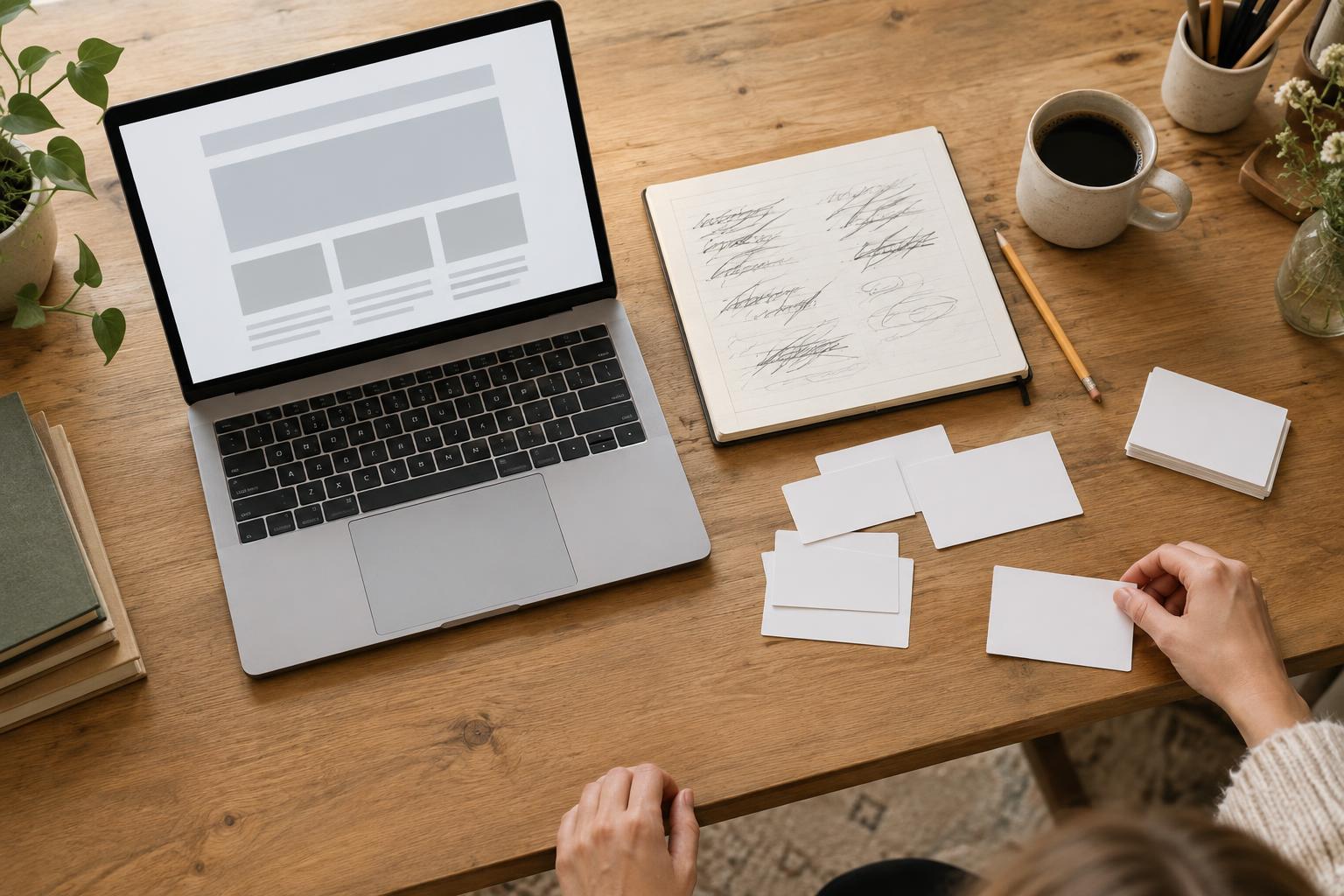
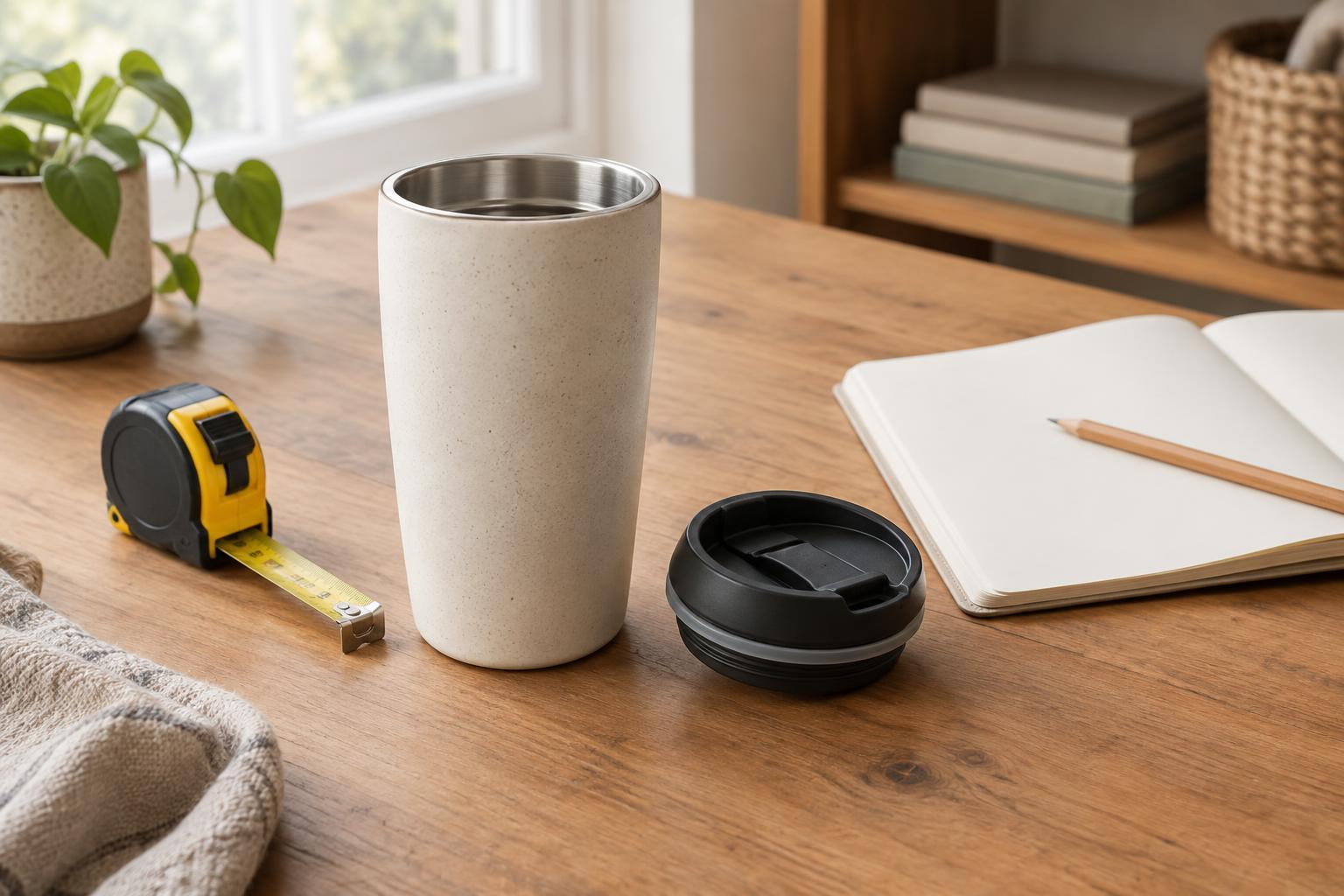
Look at the product as someone encountering it for the first time would. A photograph may show its colour but not its scale. A title may name its material but not explain how it feels or behaves. Write down questions the images and product name leave open, then put the most purchase-relevant answers near the beginning of the description. This keeps useful information from being buried beneath a long brand story.
Lead with a clear identification and purpose
The first sentence should tell readers what the item is and what it is designed to do. “A compact canvas pouch for carrying pens, cables, and other small essentials” gives a shopper more to work with than “Meet your new everyday favourite.” You can still give the copy personality, but make clarity its foundation.
Next, connect a concrete feature to a plausible use. A wide opening might make it easier to see what is inside a pouch; a flat base might help it stand on a desk. Avoid turning every feature into an exaggerated promise. “Designed to keep small items together in a larger bag” is more precise than “the last organiser you’ll ever need.” Where a benefit depends on preference or circumstances, describe the feature and let the reader judge its value.
Make specifications easy to find and interpret
Include the details that could change a purchase decision: measurements, materials, colours, capacity, compatible sizes, contents, and care instructions where relevant. Use specific units and say what a measurement refers to. For example, “measures 20 cm wide when closed” answers a different question from “20 cm wide when opened.” If an item is handmade and dimensions may vary slightly, say so rather than implying every piece is identical.
Translate unfamiliar terms without replacing them. A notebook description can name the paper weight and also explain that the pages are intended for everyday writing. A print description can identify the finish and clarify whether it is matte or glossy. Keep verifiable details separate from subjective impressions: “uncoated paper” is a specification; “soft, understated look” is a description of its appearance. Both can be useful when the distinction is clear.
Address limits as well as strengths
A helpful description does not hide information that might disappoint someone later. If a ceramic cup is not suitable for a dishwasher, state that plainly. If a print comes unframed, say so near the size and material details. If a bag fits a particular device only when it has no bulky case, make that condition visible. These qualifications help shoppers decide whether the product suits their needs.
Be equally careful with claims you cannot confidently support. Words such as “waterproof,” “scratch-proof,” or “fits all” suggest a level of certainty that may not be justified. Describe the known construction or tested compatibility instead, and avoid promising performance beyond what you can substantiate. Direct language can still be inviting: explaining what an item does not include or cannot do makes the rest of the description more credible.
Edit against a real buying scenario
Once you have a draft, read it as a shopper comparing two similar options. Can you identify the product without relying on the photo? Can you tell whether it fits your space, equipment, or intended use? Do you know what will arrive? If the answer to any of these is no, add the missing fact before adding more adjectives. Check that the title, images, specifications, and description agree with one another.
A simple order often works: identify the product, explain its main use, highlight two or three distinguishing details, then give practical specifications and limitations. You do not need to force every answer into one dense paragraph. Short, direct sentences make details easier to scan, especially on a phone. The goal is not to answer every imaginable question; it is to answer the questions most likely to stand between an interested visitor and a confident choice.