Start with the job, not the adjective
When a product feels ordinary, it is tempting to describe it more loudly: convenient, essential, premium, made for everyone. Those words rarely give a campaign much to show or say. A useful creative angle is more specific. It connects something true about the product to a situation the audience recognizes, then gives the campaign a clear point of view.
Begin with a short working brief. Write down what the product does, who might choose it, when they would use it, and what they can reasonably expect from it. Separate facts from ambitions. A reusable shopping bag, for example, can carry groceries and fold for storage if its design allows that. It cannot credibly promise to transform someone’s entire routine. The narrower facts may seem less exciting, but they are easier to build an honest idea around.
Next, replace broad audience labels with a moment. “Busy people” tells you little. “Someone packing a bag before a quick stop at the shop” suggests an action, a setting and a possible image. You are not claiming that every buyer behaves this way. You are choosing a recognizable scene in which the product has a role.
Look for the small tension
Campaigns often become more interesting when they address a modest friction rather than a dramatic problem. Ask what tends to get in the way of using, choosing or remembering the product. Is it stored out of sight? Is its purpose obvious only after someone tries it? Does the audience associate it with a chore? These questions can reveal an angle without requiring a new product claim.
For the reusable bag, a possible tension is not whether people understand bags. It is remembering to bring one. That suggests an angle about having the bag ready before it is needed, provided the product’s size and storage features support the idea. Another angle might focus on what it carries during a familiar midweek errand. Both are more usable than “the ultimate bag” because they point toward scenes, headlines and details to photograph.
Capture several observations before choosing one. Include what people do, what they notice and what they might overlook. Keep each note plain: “The bag lives by the door,” or “The bag needs to fit beside other daily items.” Treat these as prompts for a concept, not as facts about every customer.
Turn an observation into a campaign idea
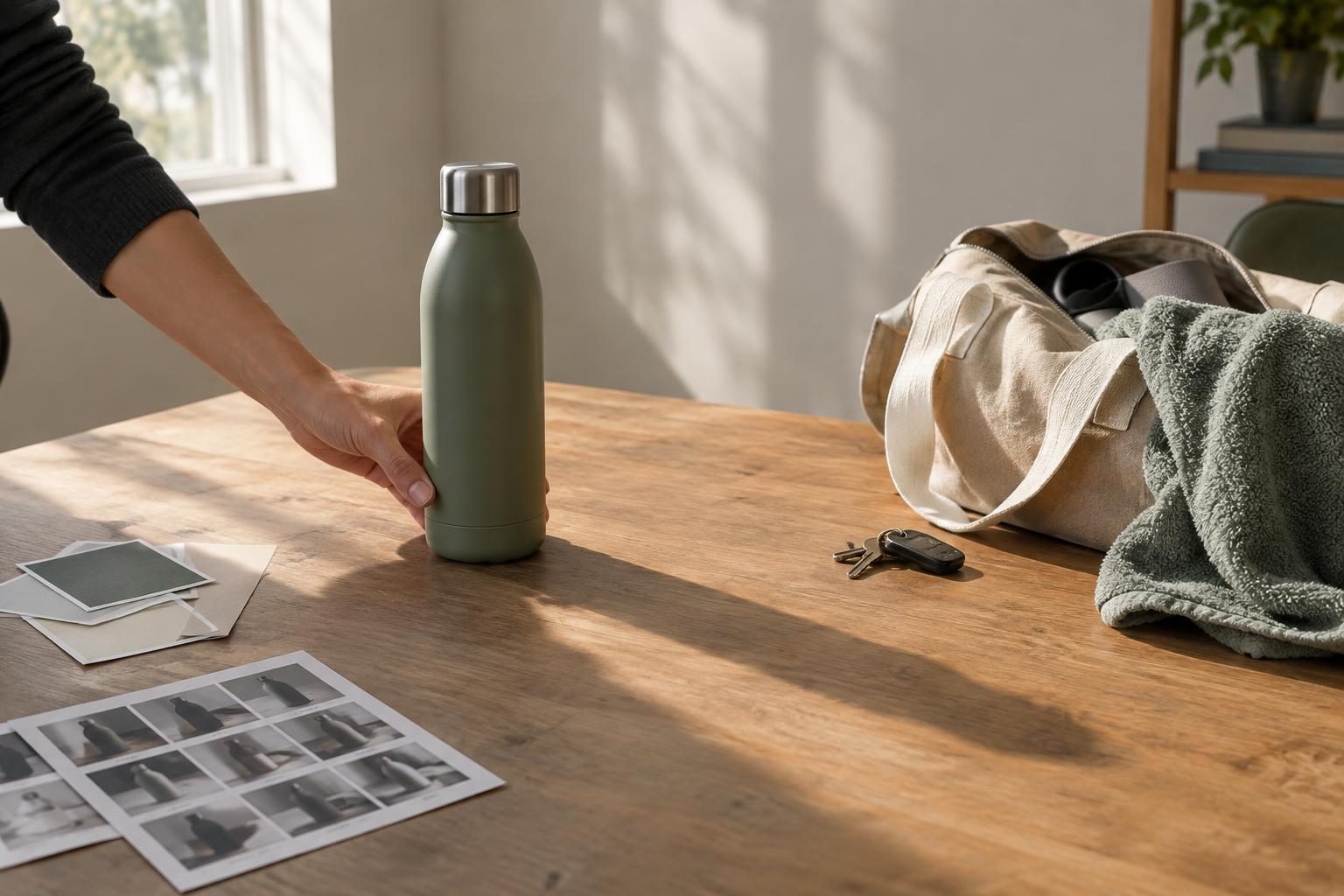
An observation becomes an angle when it can guide multiple creative decisions. “A bag by the door” is a scene. “Ready for the stop you did not plan yesterday” is a possible angle: it links that scene to a familiar kind of errand. It could lead to a photograph near keys and shoes, concise copy about keeping the bag close, and a simple reminder on a small printed insert. The words are not the whole idea; they are one expression of it.
Draft three candidate angles in one sentence each. Give each a different emphasis: a use moment, a practical feature or an attitude toward the task. Then sketch one headline and one image for each. If you cannot imagine a distinct execution, the angle may still be a general theme. If the image needs to imply a feature the product does not have, revise the angle rather than stretching the truth.
Do not confuse surprise with usefulness. A strange metaphor might earn a glance but leave the product’s role unclear. For many everyday purchases, a precise, well-observed moment gives the audience more to recognize than an elaborate concept does.
Test whether the angle can carry the campaign
Before polishing the design, give each candidate a quick practical test. Can a viewer tell what is being offered? Does the idea matter to the intended audience? Can you show it using the actual product? Does it leave room for several executions without repeating the same joke or sentence? An angle does not need to answer every question perfectly, but weak answers tell you where to revise.
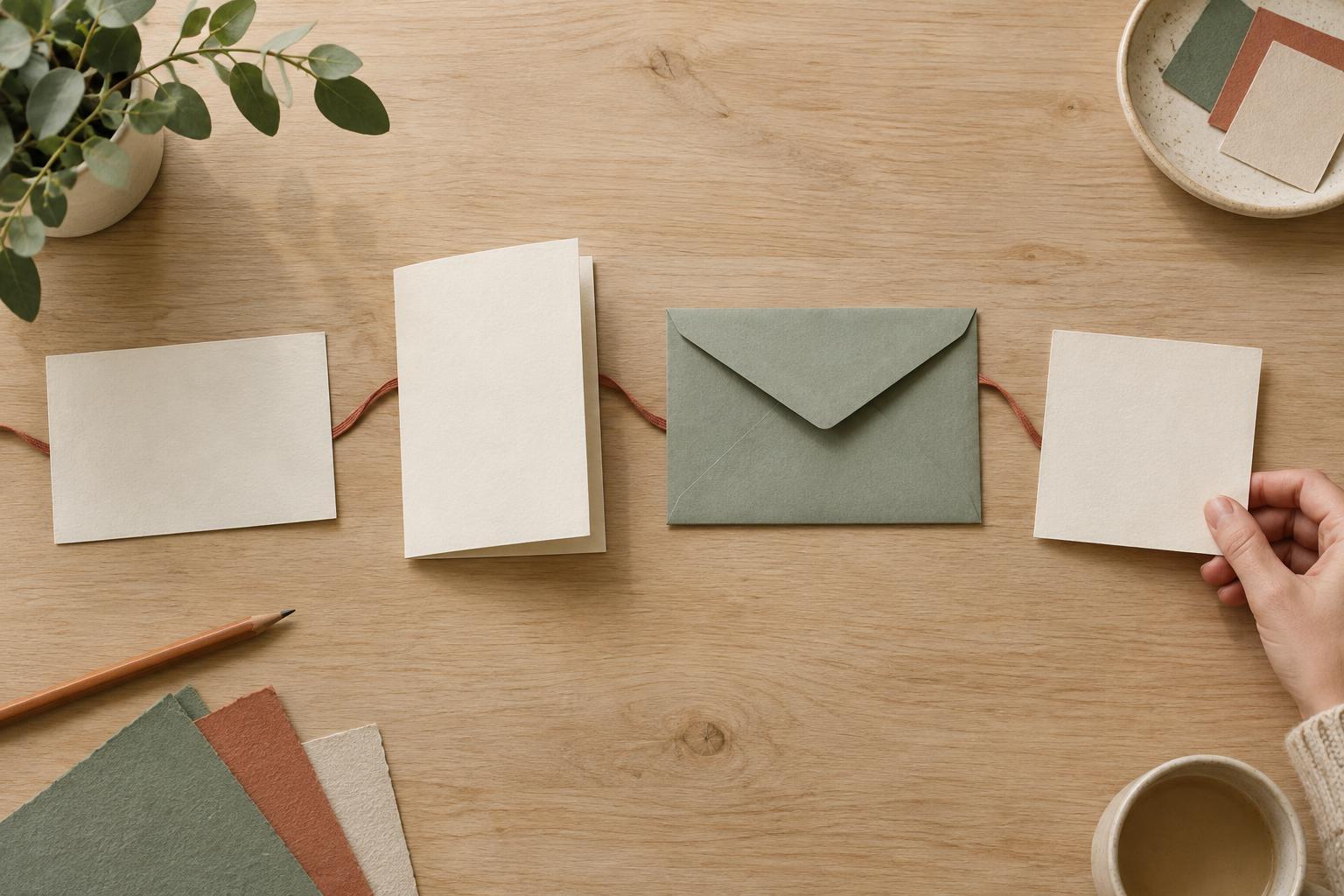
Try making three rough pieces: a square social image, a small poster and a product-page opening. The same core idea should survive each format, even though the composition and amount of copy will change. For the bag-by-the-door angle, the social image might show the storage spot, the poster might use one clear scene and a short line, and the product page can explain size and material without forcing those details into the headline.
Show the rough work to someone who has not heard your explanation. Ask what they think the product is, what the message is and what they noticed first. Their answers cannot prove that a campaign will work, but they can expose confusion you have stopped seeing.
Keep the finished idea grounded
Once you choose an angle, write a one-sentence creative rule for everyone making the campaign. For example: “Show the bag in the places where someone prepares to leave, and keep the copy focused on having it close at hand.” This gives the photographer, designer and copywriter a shared direction without prescribing every frame or phrase.
Check the final work against the product and the brief. Make sure the pictured item matches what is sold, the copy does not promise unsupported benefits, and the most important information remains easy to find. If the campaign needs so much explanation that the ordinary product disappears, return to the use moment that made the idea clear.
An ordinary product is not a creative dead end. Its familiar place in daily life can be the starting point. The strongest angle is often the one that notices a specific moment, tells the truth about the product’s part in it, and makes that connection easy to see.