Start with one decision you want people to make
A campaign sequence is a set of connected messages, not the same advertisement repeated everywhere. Before choosing channels or designing images, name the decision you want someone to make. For example, a neighborhood pottery studio might want people to view the details of an introductory class and book a place. That gives the campaign a clearer direction than a broad goal such as “get more attention.”
Write a one-sentence brief: “Invite local beginners to explore a single-session pottery class and make booking feel straightforward.” Then list what someone needs to know before acting: who the class is for, what they will do, what is included, the price, the location and how to book. If any of those details are undecided, resolve them before producing the campaign. The sequence can only be as clear as the offer behind it.
Give each touchpoint a distinct job
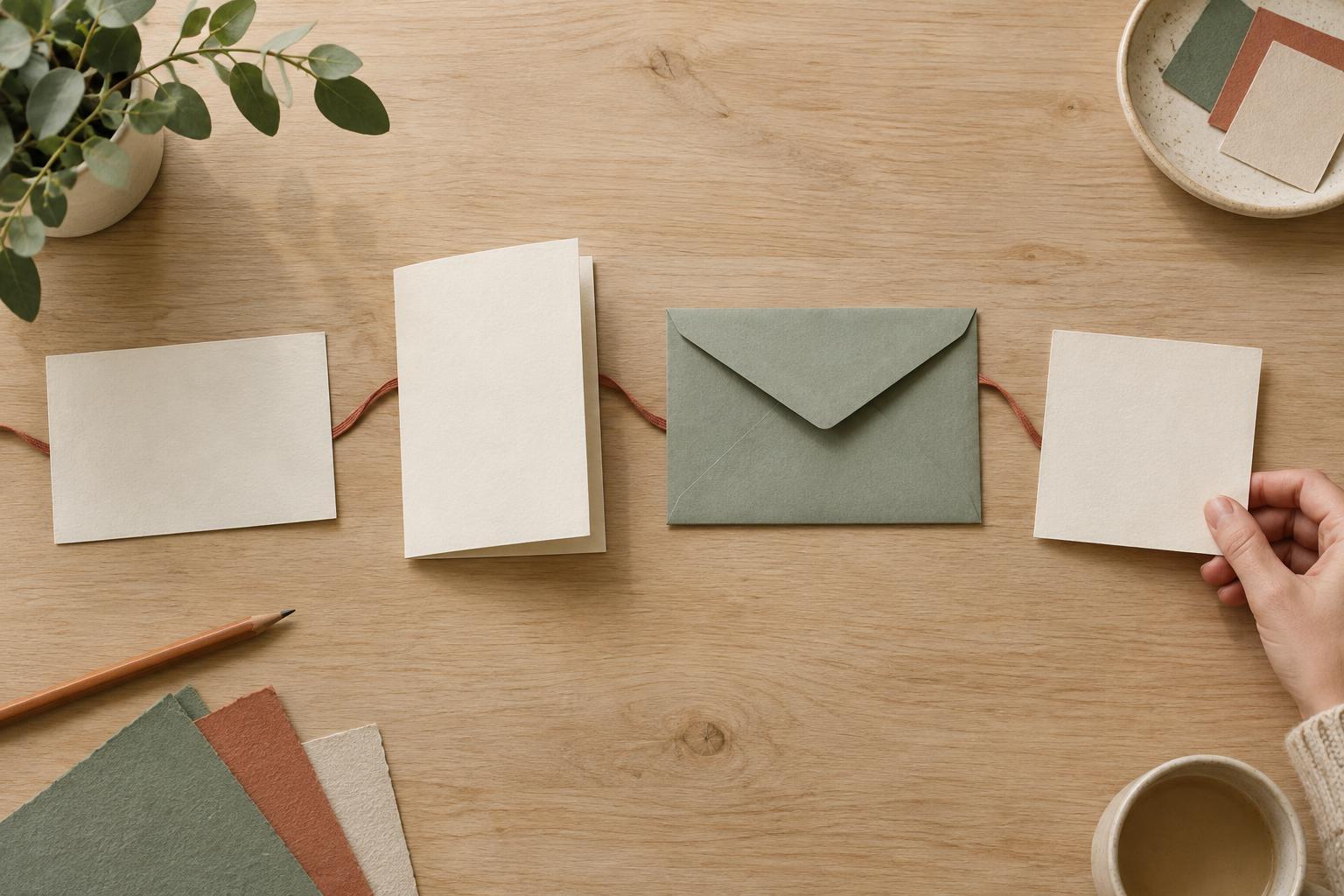
Sketch the sequence from the audience’s point of view. The first contact introduces the idea. A second touchpoint answers likely questions. A final invitation makes the next step easy to take. Follow-up serves a different purpose: it helps someone who has shown interest continue, or gives a participant useful information after booking. These stages can happen across several channels, but a small business does not need to use every channel available.
For the pottery class, a poster in a café might do the introducing with a photograph of hands shaping clay and a short line such as “Try the wheel, no experience needed.” A linked class page can carry the practical details that will not fit on the poster. An email to people who have opted in might address common concerns about clothing, materials and what beginners can expect. Each piece should make sense on its own while pointing toward the same booking step.
Build recognition without making everything identical
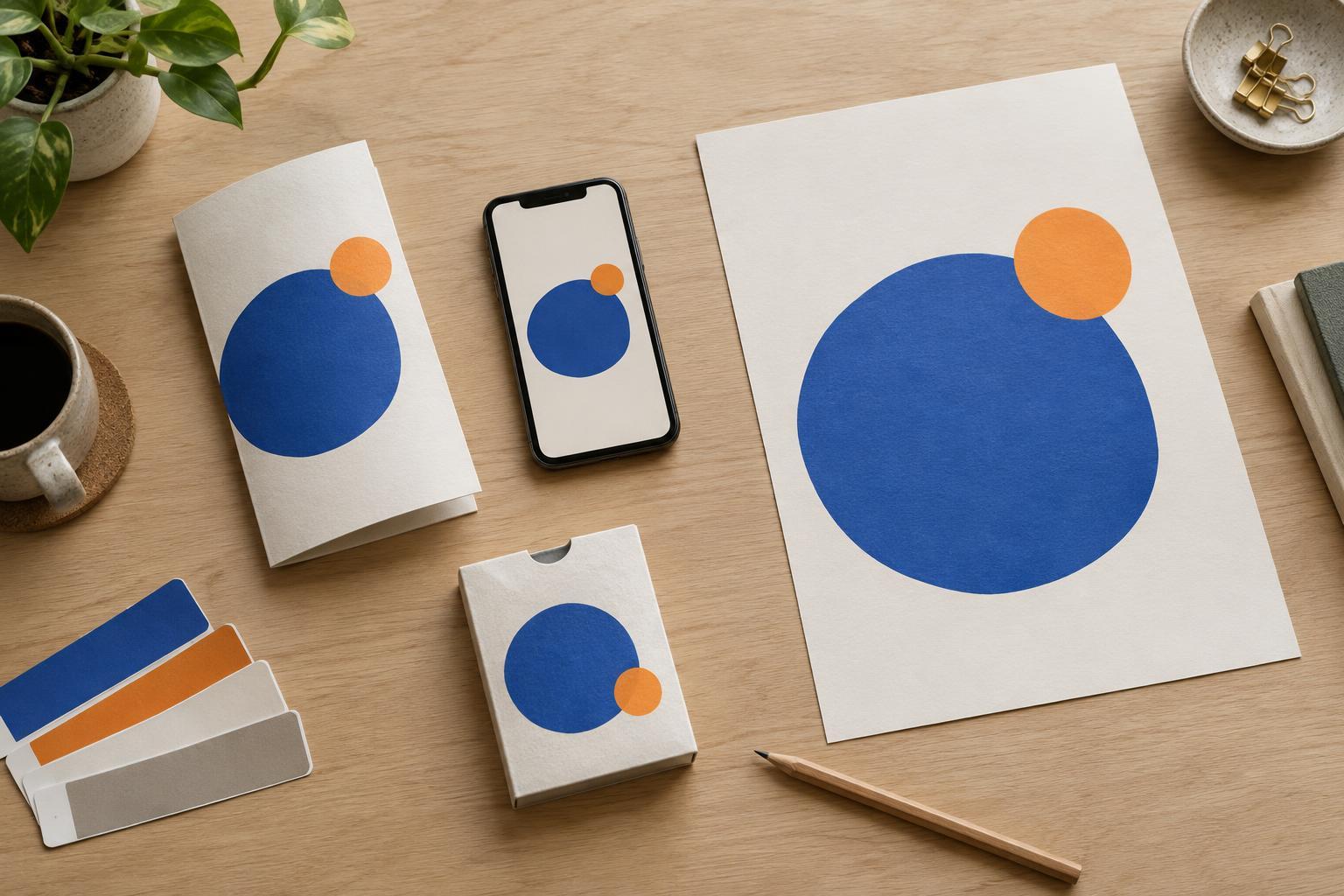
A consistent campaign gives people a way to recognize the offer when they encounter it again. Choose a compact creative kit: one central idea, a short description, a visual approach and a clear call to action. For the pottery example, the idea could be the pleasure of making something by hand. Photography might show the process rather than only a polished finished object. Copy can stay welcoming and specific instead of promising that anyone will master a skill in one session.
Adapt that kit to the space available. A poster needs to be understood at a glance, so it may show the class name, one benefit and where to find details. A social post can show a closer view of the experience. The class page can slow down and explain the schedule and booking terms. Check that names, prices and instructions match across every piece. Consistency should make the path easier to follow, not force the same layout or sentence into unsuitable formats.
Plan timing around useful reasons to speak
Put the touchpoints on a simple production calendar before launch. Include the date each item must be ready, who will approve it, where it will appear and what it links to. Leave time to proofread printed material and test links, forms and confirmation messages. If a piece has a short shelf life, such as a poster for a particular class, make sure the destination stays accurate for as long as the piece may be seen.
Avoid scheduling messages solely because a certain number of days has passed. Ask what new help each one provides. A reminder might clarify when booking closes, if there is a genuine deadline. A follow-up to someone who requested details might answer a question they raised, if they agreed to be contacted. Someone who has already booked needs preparation information, not another sales prompt. Where you can, set the sequence to stop sending invitations after the desired action.
Close the loop and improve the next sequence
Decide in advance how you will tell whether the path is working. You might record which channels brought questions, whether people reached the booking page and where they reported confusion. These signals do not prove that a particular image or sentence caused a booking, but they can reveal practical problems. If people repeatedly ask what the class costs, for instance, make the price easier to find rather than adding more promotional copy.
After the campaign, review the pieces together. Did the first contact identify the offer quickly? Did the details page answer the questions raised by the invitation? Was the follow-up relevant to the person receiving it? Keep the elements that made the journey clear, revise those that created friction and remove messages with no distinct purpose. A useful sequence is not necessarily a long one: it is a connected path that helps someone decide, act and know what happens next.