Start with the promise, then ask what proves it
Copy often begins with an appealing phrase: “built to last,” “easy to use,” or “made for busy teams.” Before putting that phrase in an ad, ask what a customer would reasonably understand it to mean. “Built to last” might suggest durability under regular use. “Easy to use” might suggest that a newcomer can get started without much help. The more specific the implied promise, the more specific your support should be.
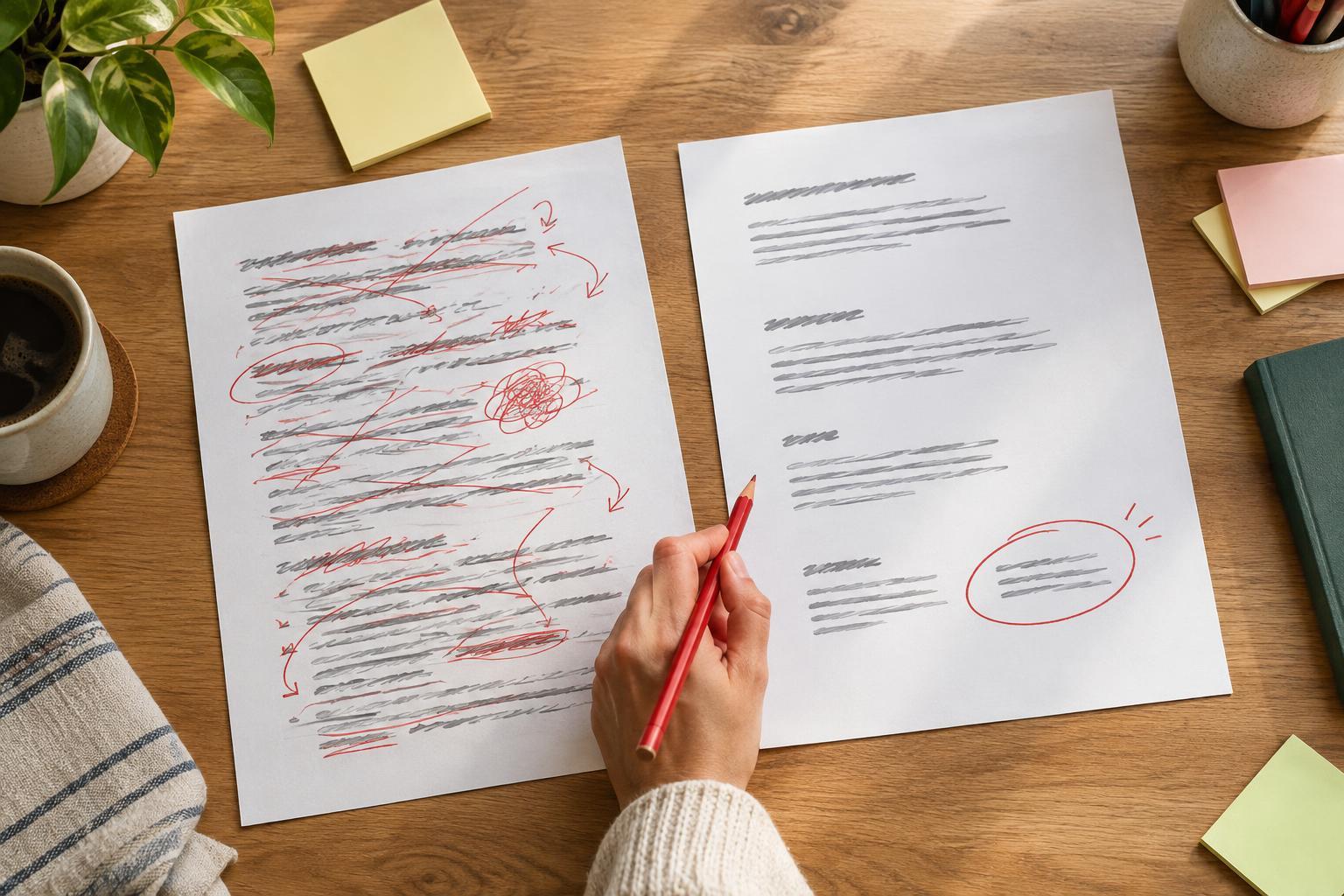
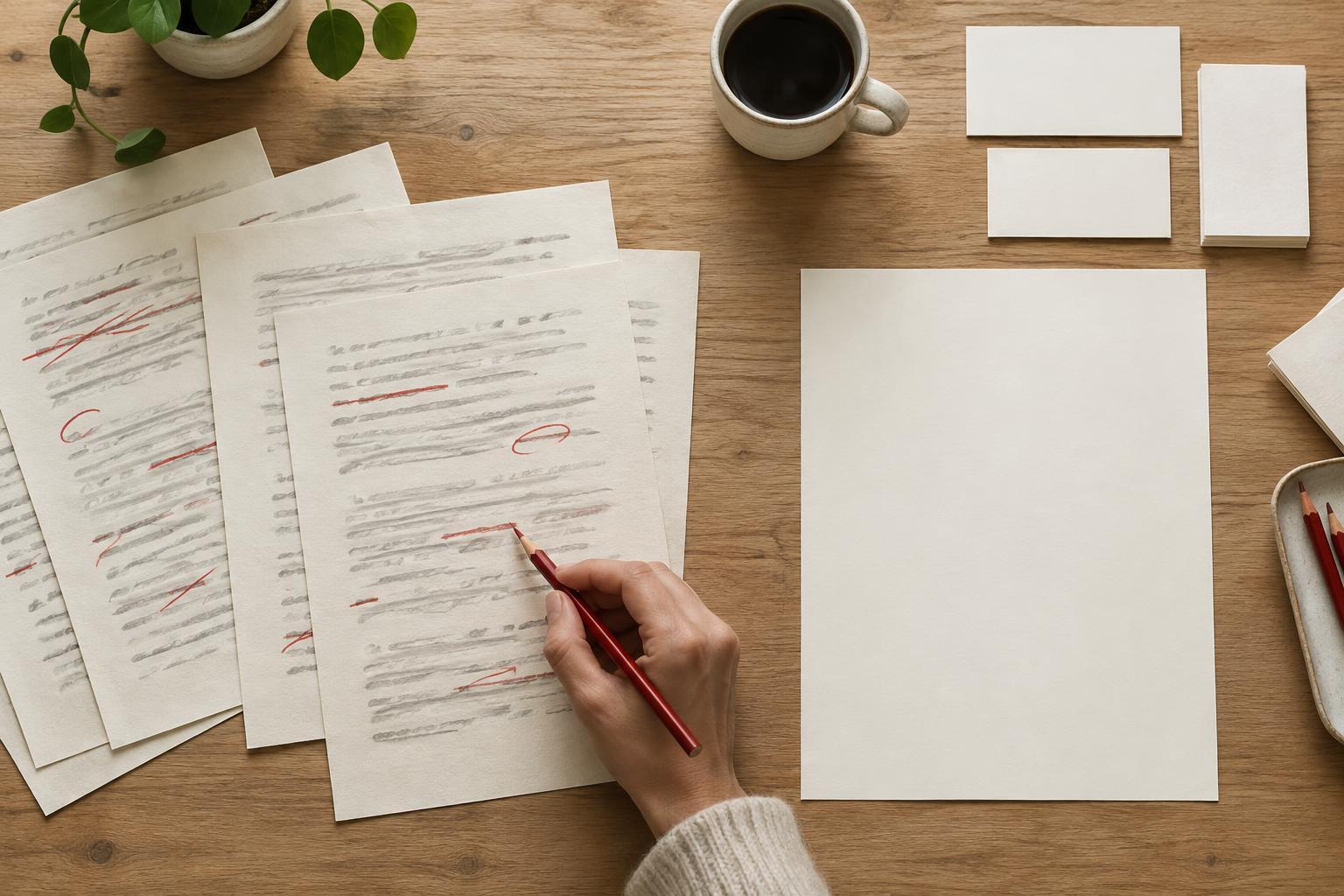
Make a simple claim inventory for the piece you are writing. List each factual statement, comparison, testimonial, and visual implication. Then write down what you can point to for each one: a product specification, a documented process, a demonstration, a customer’s own words, or a feature someone can inspect. An image belongs on this list too. A photograph of a hand-finished object, for example, may imply that every object receives that treatment. If that is not true, choose a different image or explain what the photograph shows.
Match the strength of the wording to the strength of the evidence
Different kinds of support justify different kinds of copy. If you know a bag has a reinforced base, say so. That construction detail alone does not establish that the bag is “indestructible” or that it will outlast competing bags. If a service offers an online booking form, you can describe that feature without promising that booking will always take only a minute. A useful rule is to name the observable feature before drawing a broad conclusion from it.
Comparisons need particular care because they invite the reader to ask, “Compared with what?” “Our lightest model” is a different claim from “the lightest model.” If you have verified the first within your own range but cannot support the second across a wider market, keep the narrower wording. The same applies to words such as “best,” “fastest,” and “most trusted.” Enthusiasm is useful in advertising, but it does not turn a broad factual claim into a supported one.
Use proof that fits the customer’s question
Evidence works best when it addresses the uncertainty behind a purchase. A customer wondering what fits inside a carry case may benefit more from clear dimensions and a photograph of its contents than from a general statement about quality. Someone considering a workshop may want to know what materials are included and what they will make. Write down the question first, then choose the proof that answers it.
You do not need to turn every ad into a technical sheet. A headline can express the benefit while a caption, product detail, or short line beneath it supplies the basis. For example, “Room for the essentials” could sit beside the case’s dimensions and a plainly labeled photograph. The supporting detail should be easy to find and should not quietly change the meaning of the headline. If the promise depends on a particular size, plan, material, or use condition, include that context where the reader encounters the claim.
Handle testimonials and demonstrations honestly
A customer quote can communicate an experience, but it should not become a stand-in for proof of a result you cannot substantiate. Keep the customer’s meaning intact, get permission to use their words, and avoid editing away conditions that matter. If one person found a setup straightforward, you can present that as their experience; it does not automatically mean every buyer will find it effortless.
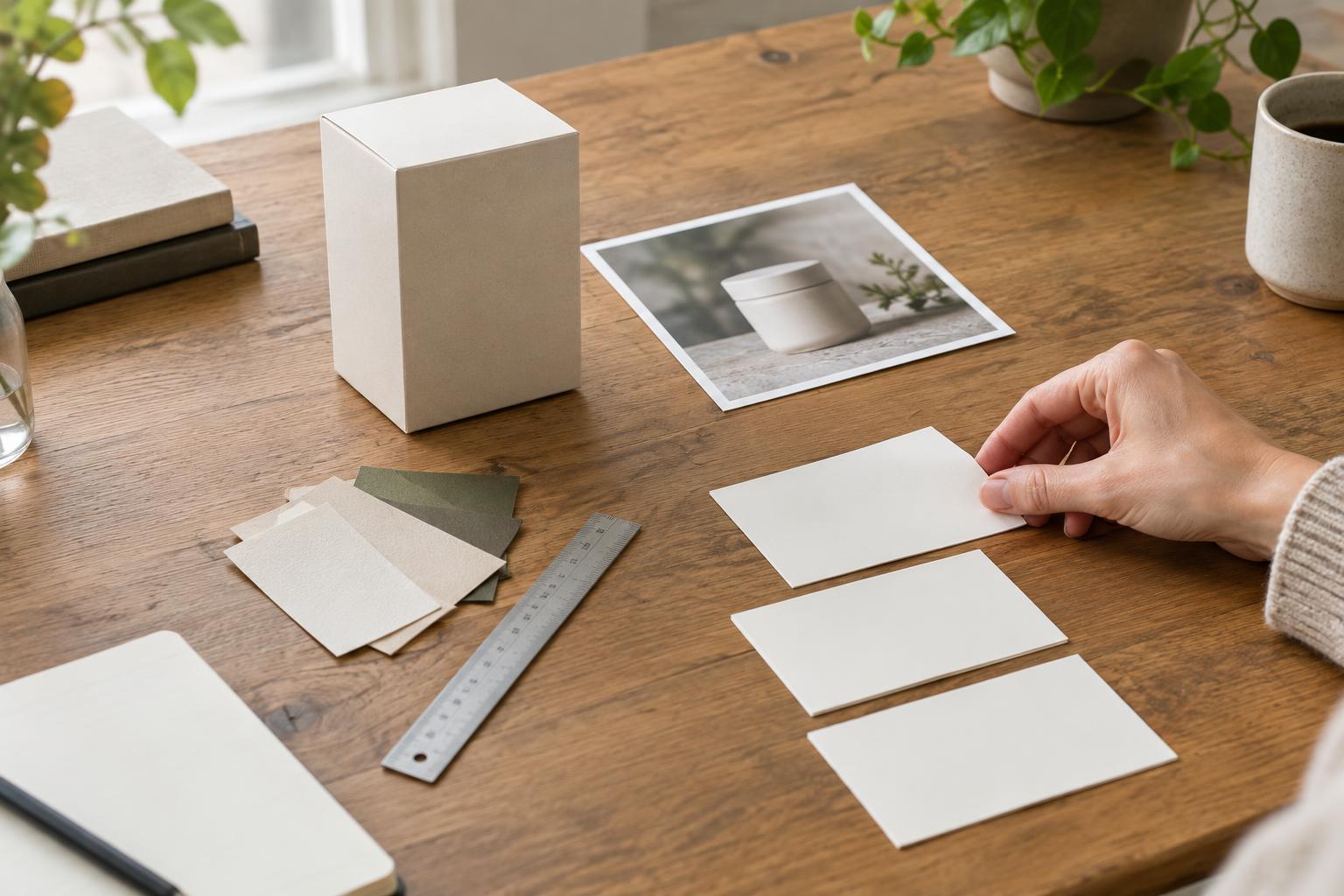
Demonstrations need the same discipline. Show the product as a customer would normally receive and use it, and explain any preparation that changes what viewers are seeing. A close-up photograph can make a texture clear; it can also hide the size or context of an object. Pair it with a wider view when scale matters. Good proof does more than make copy persuasive: it helps readers decide whether the offer fits their needs.
Build a claim check into your creative workflow
Before approving a headline or layout, have someone other than its writer read it without an explanation. Ask what they think it promises, what they would expect to see as proof, and whether the accompanying image strengthens a promise you did not intend to make. This quick review can catch implications that feel invisible to the person who wrote the copy.
Keep a working record of the final wording and its support, including which product or service version it describes. When a specification, process, image, or offer changes, revisit the related copy rather than assuming it still applies. If you cannot find support for a claim, you have three practical options: gather it, narrow the claim, or remove it. Often the narrower version is better writing. It gives the customer something concrete to understand and gives the business a promise it can confidently keep.