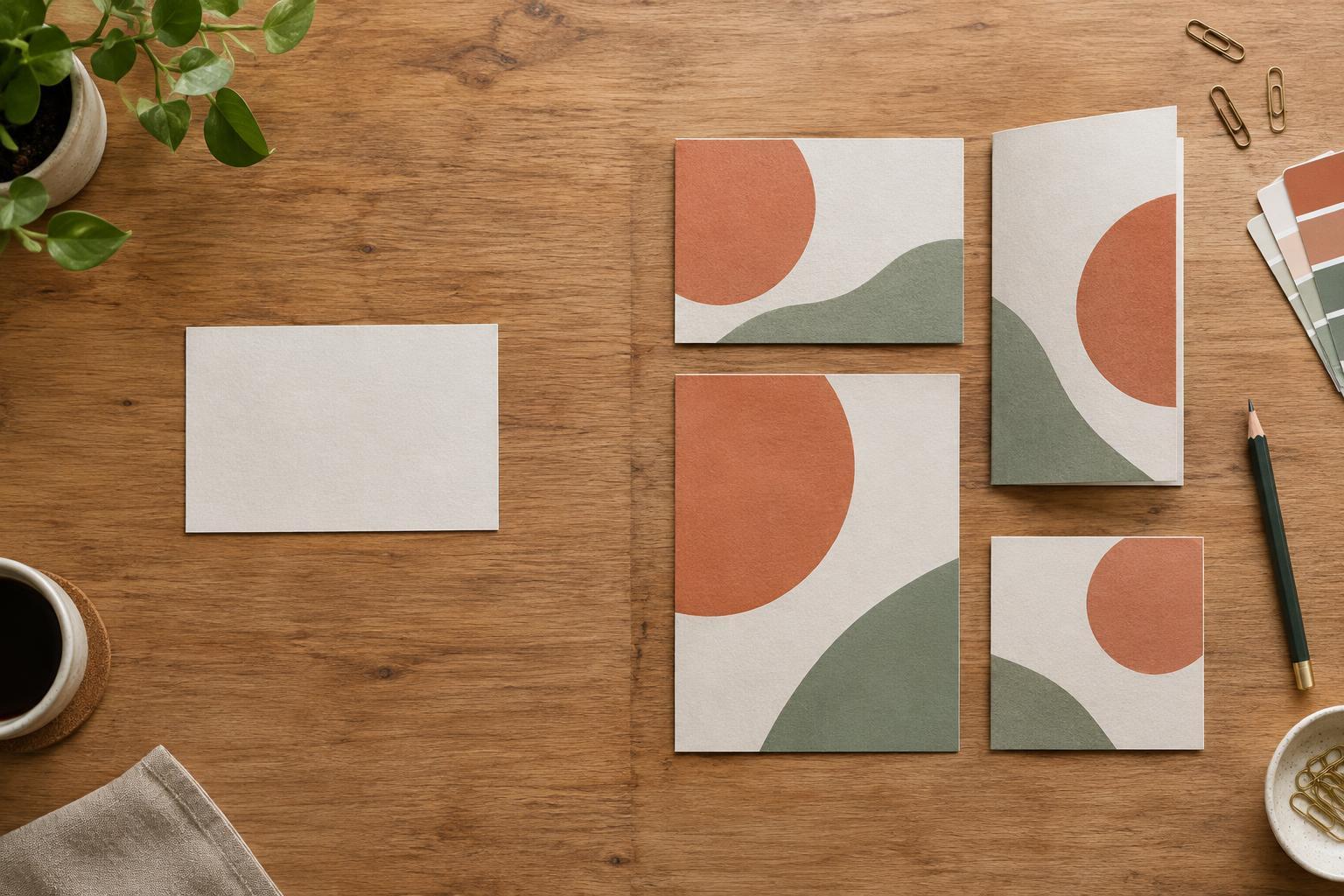
A promotion is an action; a campaign is a connected plan
A one-off promotion usually has a specific offer or occasion at its center: a weekend discount, a product launch announcement, or an invitation to an open house. Its job is to make one action clear. Someone should be able to see the message, understand what is available, and know what to do next.
An advertising campaign brings several pieces of communication together under a shared idea. Those pieces might include shop signage, photographs, social posts, email, and print materials. They do not have to say the same thing word for word. They do need to feel related and move the audience toward the same understanding of the business.
The distinction is not simply how long the advertising runs or how many items are produced. Reposting the same sale graphic for a month does not automatically make it a campaign. A small set of thoughtfully connected messages can be one, even when the budget and schedule are modest.
Start with the change you want to make
Before choosing formats, ask what people should understand, feel, or do after encountering the work. A promotion might aim to fill seats at one workshop. A campaign might aim to make a studio known as a welcoming place for beginners, with workshop bookings as one possible outcome. Both are useful goals, but they call for different briefs.
Write the campaign idea as a simple proposition that can guide multiple messages. For example, a neighborhood bakery could build a campaign around the idea that a good lunch break need not be complicated. One execution might show a quick takeaway lunch; another might focus on a quiet moment at a table; a third could introduce the people preparing the food. The example is hypothetical, but it shows how one idea can support varied content without losing its thread.
If the only message you need to deliver is “this item is reduced until Friday,” a focused promotion may be enough. Adding a campaign framework should make decisions clearer, not create extra work for its own sake.
Give every piece a recognizable family resemblance
Campaign consistency is more than placing the same logo in a corner. A recurring visual approach, tone of voice, subject matter, or phrase can help separate pieces register as parts of one story. The connection should be easy to notice without making every execution identical.
For the bakery example, the team might photograph everyday lunch moments in a consistent light and use short, calm copy about taking a proper pause. A window poster could introduce the idea; a menu insert could make the lunch options concrete; a social post could show how takeaway fits into a busy day. Each piece has a distinct job, while the shared approach helps them reinforce one another.
Make a small set of working rules before production: the main idea in one sentence, a few visual references, the voice to use, and the action each format should invite. These rules give a photographer, designer, or writer enough direction to work together without forcing every message into the same template.
Plan the sequence, not just the assets
A campaign benefits from thinking about what someone might encounter first, next, and later. An introductory message can establish the idea. Follow-up pieces can add detail, answer practical questions, or show a different use for the product or service. A final reminder can make the next step especially clear. People will not necessarily see everything in order, so each piece must still make sense on its own.
Map the available channels and decide what each can do well. A storefront sign may need to be understood in seconds. An email can explain more. A photograph may catch attention, while accompanying copy provides context. This planning helps avoid producing several attractive items that all repeat the same information and leave important questions unanswered.
One-off promotions can sit inside a larger campaign. A limited offer, for instance, can provide a timely reason to act while using the campaign’s established visual style and voice. The offer does not have to carry the entire brand message by itself.
Choose the smaller tool when it fits
Campaign thinking is valuable when you need to introduce an unfamiliar offer, change a common perception, or build recognition across several encounters. A one-off promotion is often the better choice when the audience already understands the business and simply needs timely, practical information. Neither format is inherently more creative or more effective; the right choice depends on the communication problem.
For a small business, a useful first campaign brief can fit on one page. State whom you want to reach, what you want them to understand, the central idea, where they may encounter it, and the action they can take. Then sketch a few pieces that express the idea in different ways. Before producing them, check that each piece is clear alone and that the set feels stronger together.
After publication, look for what you can learn rather than treating every response as proof of success or failure. Note which questions people ask, whether the call to action is understood, and which materials are practical to maintain. A campaign is a connected plan, but it can still improve as you discover where the message needs more clarity.