Start with the job, not the machine
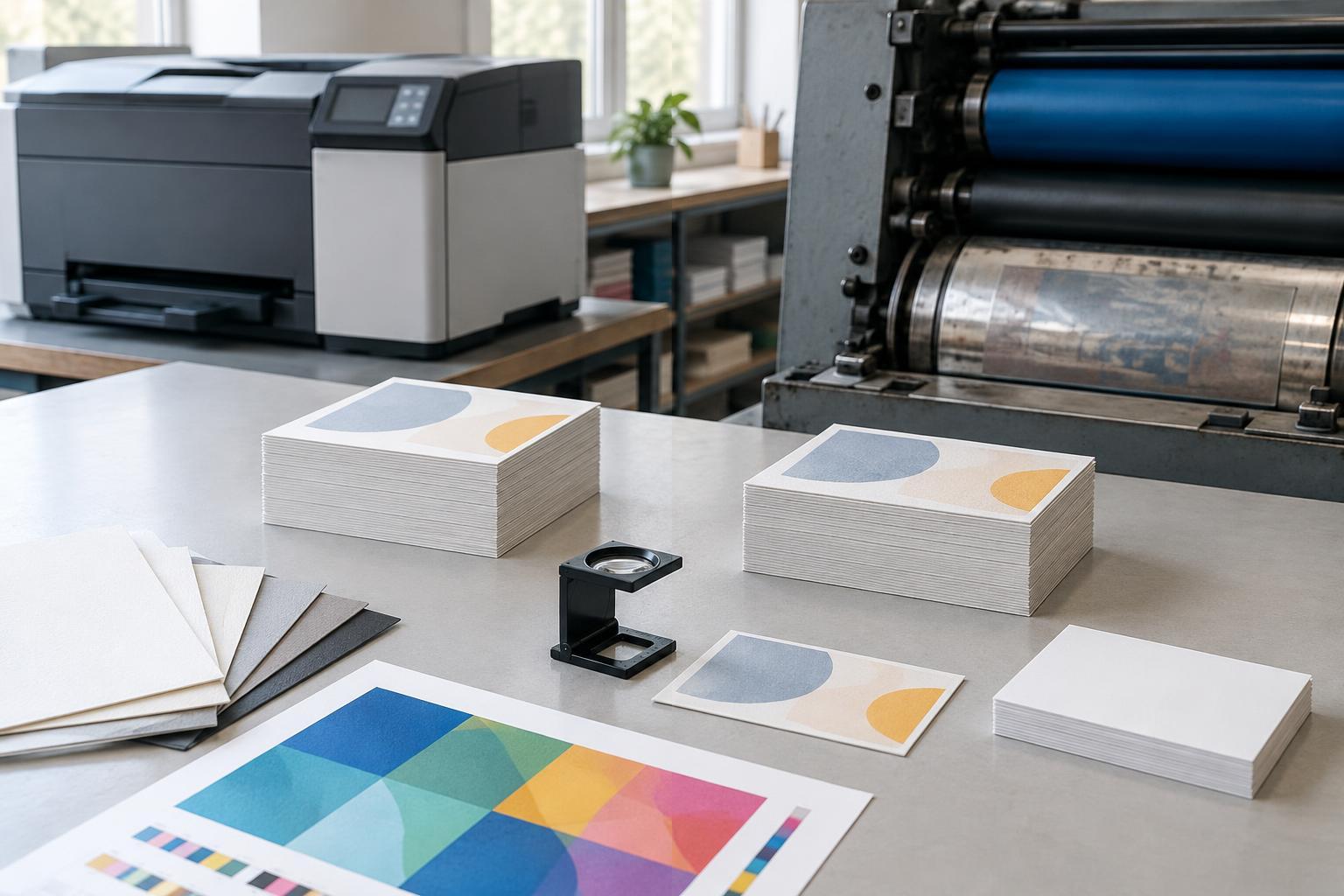
Digital and offset printing can both produce polished marketing materials, but they work differently. Digital presses print from a file without making a plate for each ink color. Offset presses transfer ink from plates to a blanket and then onto paper. That extra preparation usually gives offset a higher setup cost, while digital printing is often economical when you need only a modest quantity.
“Small run” is not a fixed number of copies. A single-sided postcard, a folded brochure and a booklet use paper differently and may need different finishing. Before requesting quotes, write a brief with the finished size, page count, quantity, paper preference, color requirements, deadline and delivery address. Ask for the price at your required quantity and at one or two nearby quantities. Those comparisons are more useful than a general rule about which process is cheaper.
When digital printing is a practical fit
Digital printing is a strong option when the artwork may change, you need several versions, or you want to test a piece before committing to more copies. A café, for example, could print a short batch of menus while it settles the wording. Names, codes or other variable details can also be changed between copies, provided the printer offers that service and receives the data in a usable format.
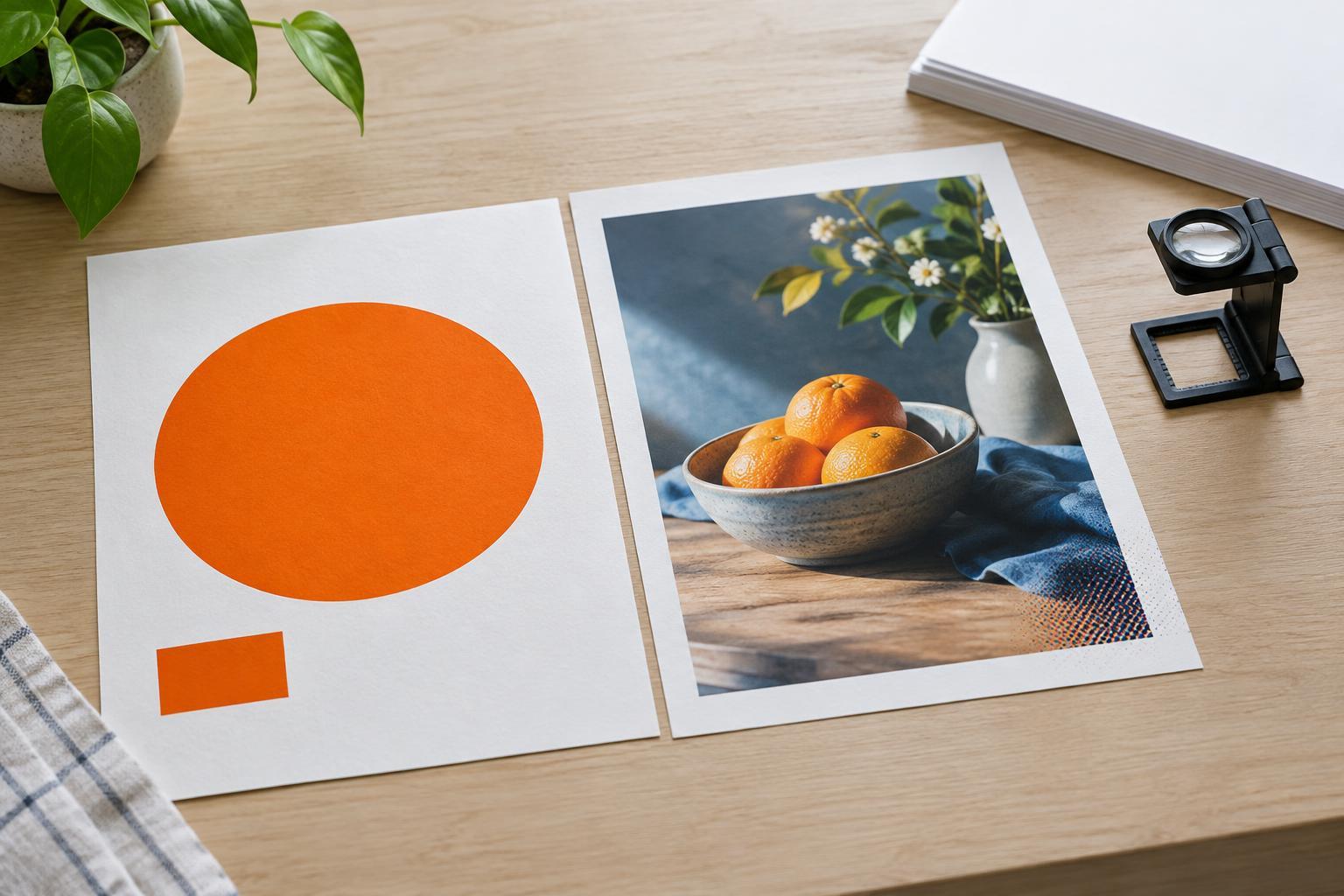
Ask what digital press and paper options are available rather than assuming every stock will behave the same way. Heavy, textured or specialty papers may have limits, and some finishes may need particular coatings or extra handling. If a large area of flat color is central to the design, request a sample or production proof on the intended stock. What looks even on a screen can look different when printed across a full sheet.
When offset may be worth the setup
Offset becomes worth investigating when the run is large enough to spread its setup cost across more copies. It may also be useful when the design calls for a specific spot ink or a paper that suits the available offset press. Suppose a creator is producing one version of a product insert and expects to reorder it without changes. Comparing offset prices at the initial quantity and at a planned reorder quantity could reveal a better long-term approach.
Offset is not automatically the premium choice, and digital is not automatically the compromise. Print quality depends on the press, materials, file preparation and operator. Offset also takes preparation and may require time for ink and finishing processes. If your deadline is tight, confirm an actual production schedule with the printer rather than choosing by process name alone.
Compare the quote and the proof
Send the same specification to printers when comparing prices. Check whether each quote includes artwork checks, proofs, paper, trimming, folding, binding, packaging and delivery. Ask about the minimum order and the price of extra copies. A low unit price can be misleading if setup, finishing or shipping is excluded. Likewise, ordering more than you can use is not a saving simply because each copy costs less.
Discuss color expectations early. If a brand color matters, provide its specification and ask how the printer will reproduce and check it for the proposed process. A spot color may not be available on every digital press, while matching a screen color exactly on paper is rarely a sound expectation. For a color-sensitive job, an approved physical proof or printed sample is more informative than a PDF alone. Confirm whether that proof represents the final paper and production method.
Make a decision your brief can support
Choose digital when flexibility, versioning or a very short quantity matters most and the available stock meets your needs. Request an offset comparison when the artwork is stable, the run may grow, or a specific ink or material is important. If neither quote meets the budget, adjust one variable at a time: size, paper, page count, color coverage or finishing. This helps you see what changes the cost without losing the piece’s purpose.
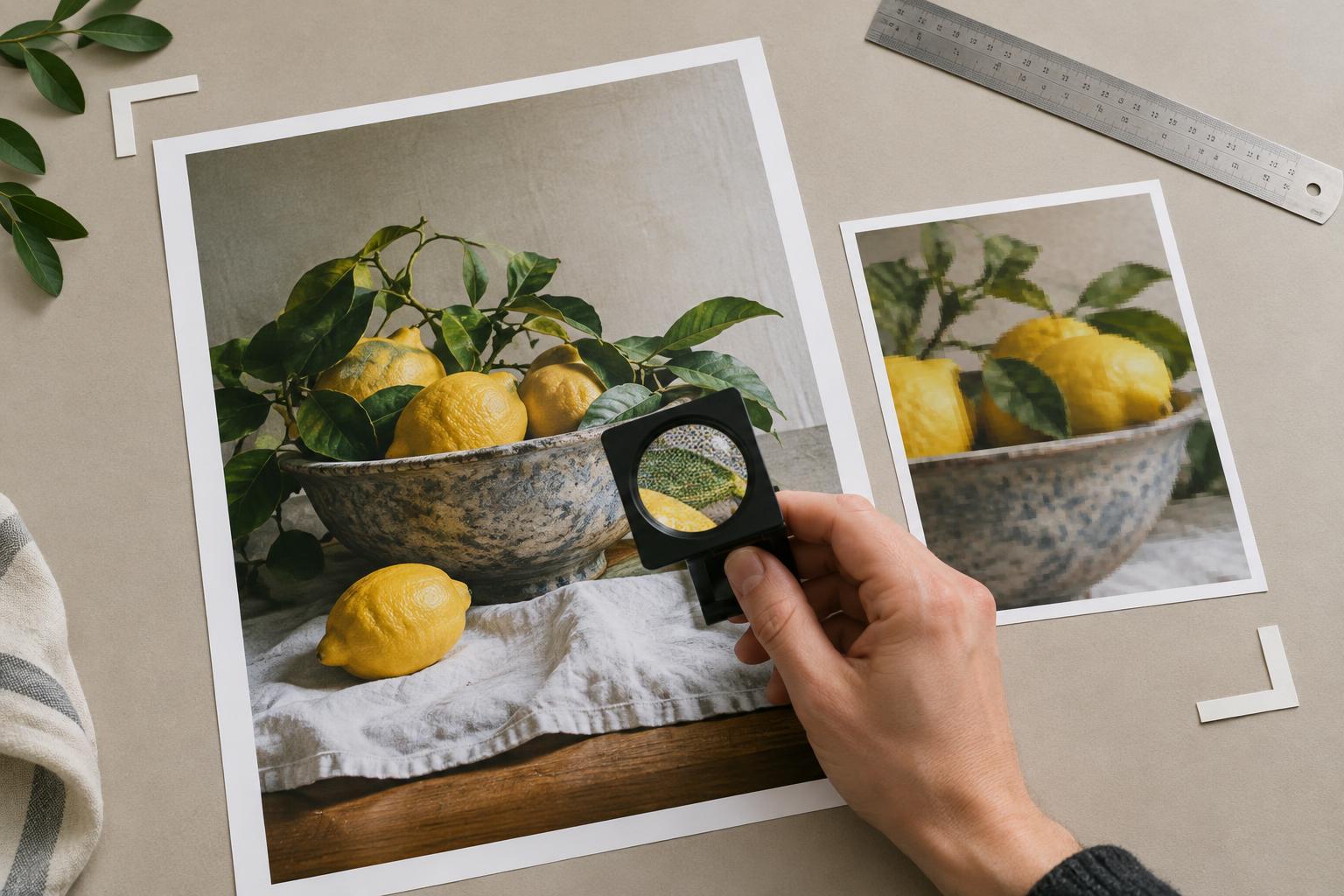
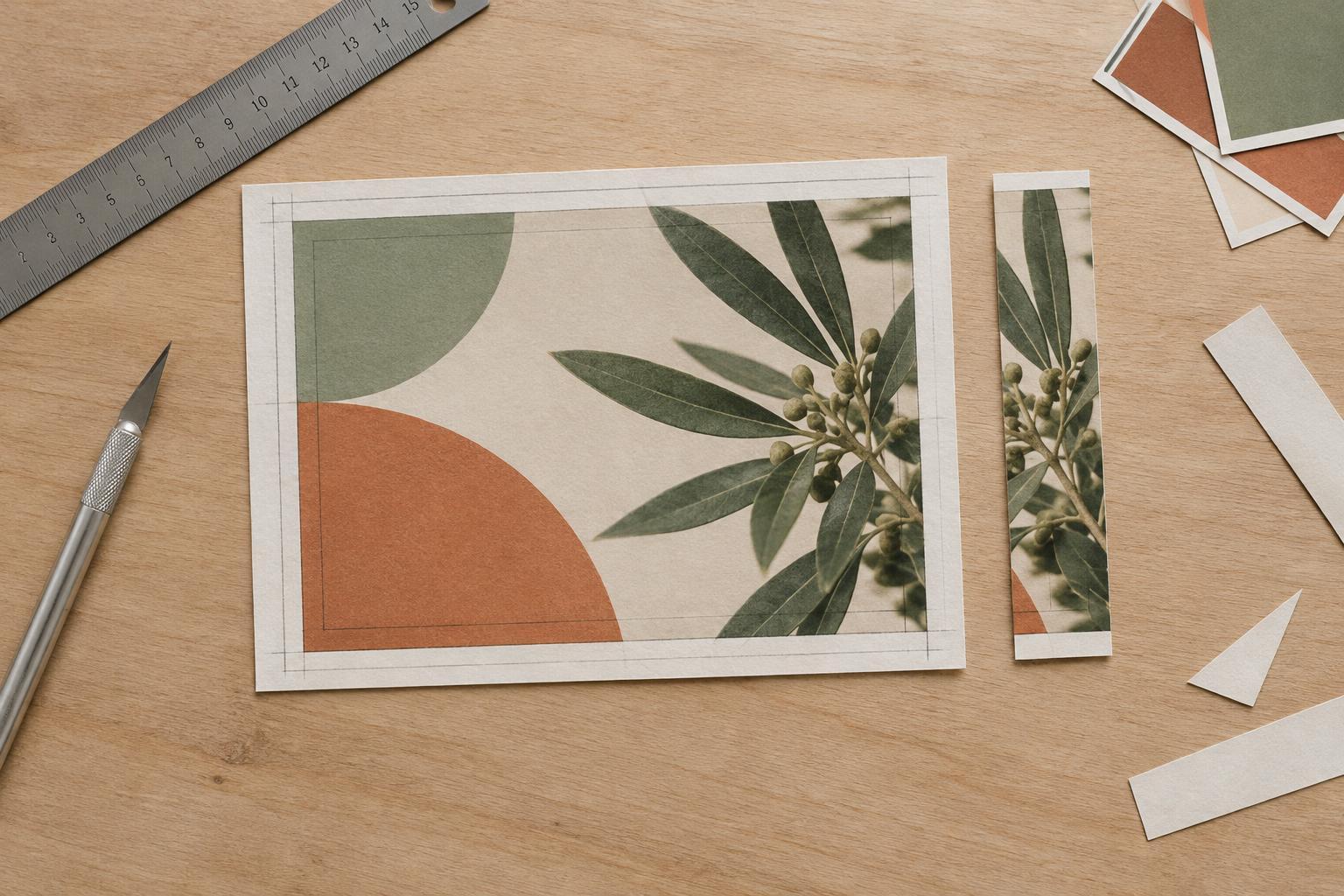
Before approving production, check the final file for correct dimensions, bleed, image quality, readable type and the latest copy. Confirm the quantity, stock, finish and delivery details in writing. The best choice is the process that can reliably produce the piece you have specified—not the one that sounds more impressive.