Start with the job, not the price
Two print shops can quote very different prices for what sounds like the same project because they have assumed different materials, finishes, quantities, or delivery arrangements. Before asking for prices, write a short brief that describes the finished piece. The goal is to give every shop enough information to price substantially the same job.
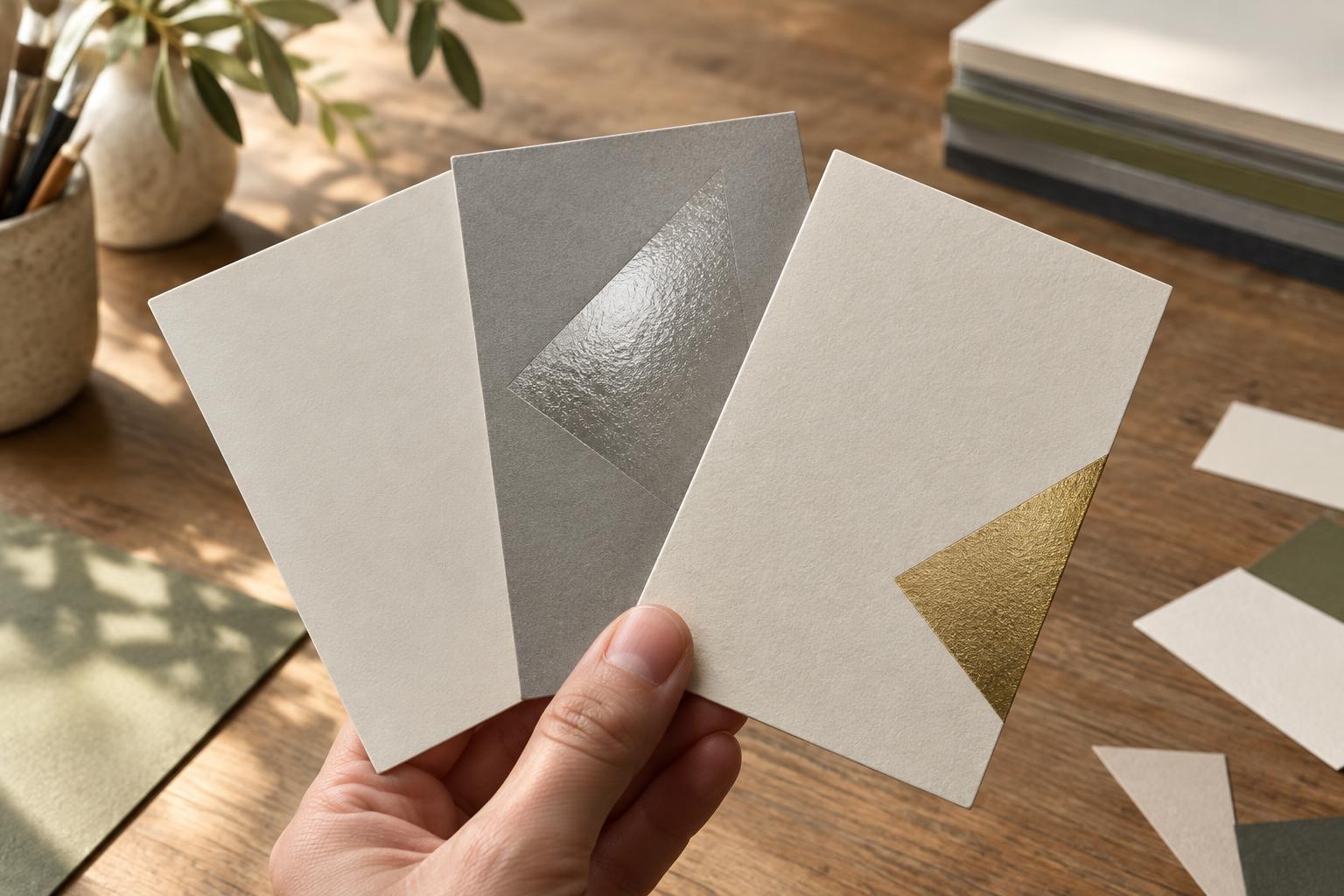
Include the item, its finished size, quantity, number of printed sides, color requirements, paper or other material, and any folding, binding, cutting, or special finish. State when and where you need it, and whether you can collect it. For example: “500 A5 flyers, printed in color on both sides, on an uncoated stock suitable for writing on, trimmed to size and delivered to our studio.” If you do not know the paper weight, say what the piece needs to feel or do rather than guessing at a specification.
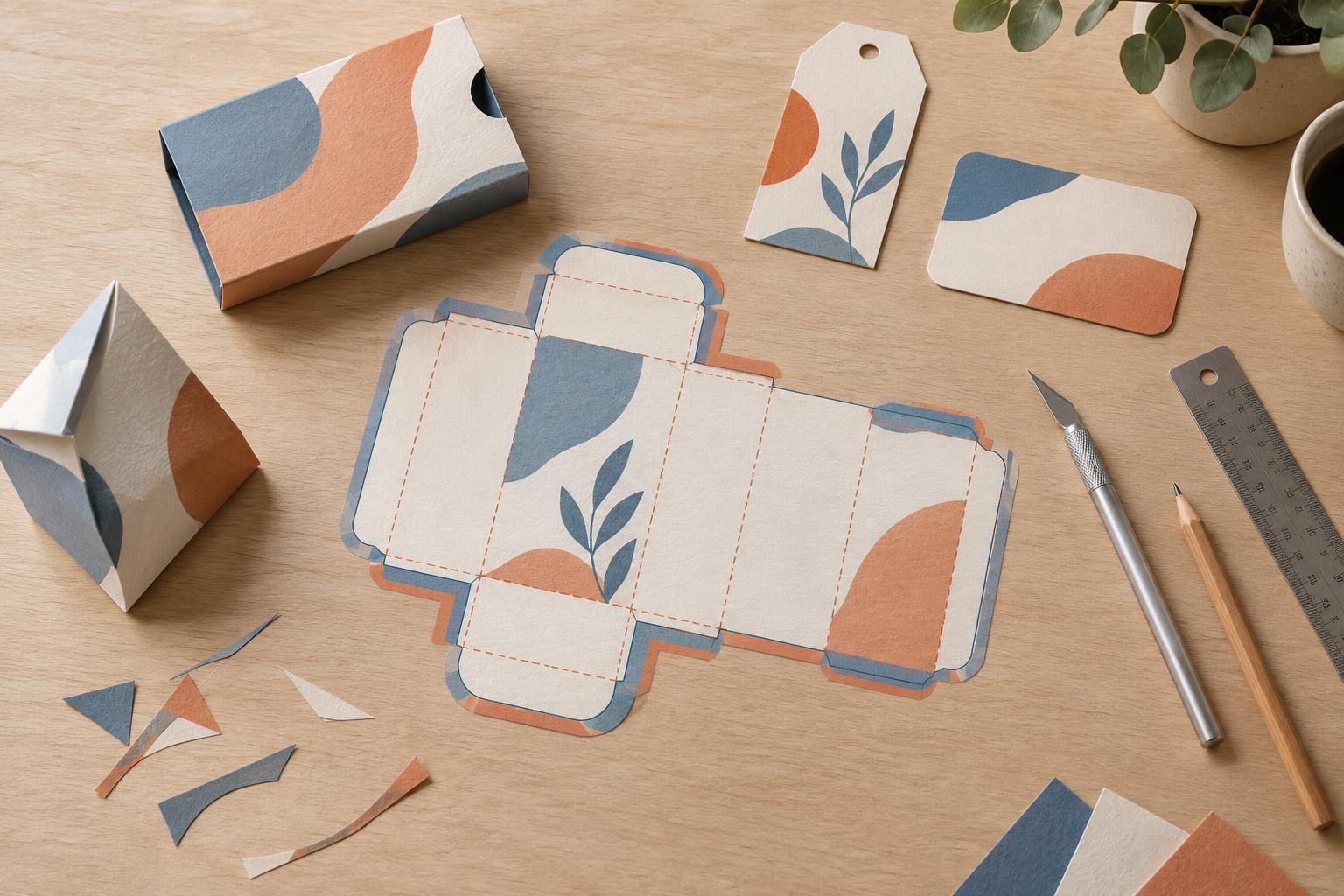
Mention anything the shop must account for beyond printing. A folded leaflet needs a finished folded size as well as its flat size. A booklet needs a page count and binding preference. Packaging may need a structural template. If the design is still being developed, say so: a preliminary estimate is useful, but it may change when the final files and specifications are known.
Ask the same questions of each shop
Send one consistent brief to each shop and request an itemized quote. Ask the shop to list its assumptions, particularly where your brief offers options. If you are choosing between two papers or quantities, ask for each option separately. That makes the response easier to compare than a single price covering an unclear mix of choices.
Your request can ask for the total price, what that price includes, the expected production time after artwork approval, delivery or collection costs, and any file preparation requirements. Ask whether a proof is included and what kind it is. A digital proof can help you check layout and text, while a physical proof or sample may help you judge stock, color appearance, and finish. Confirm which decisions the proof is intended to settle.
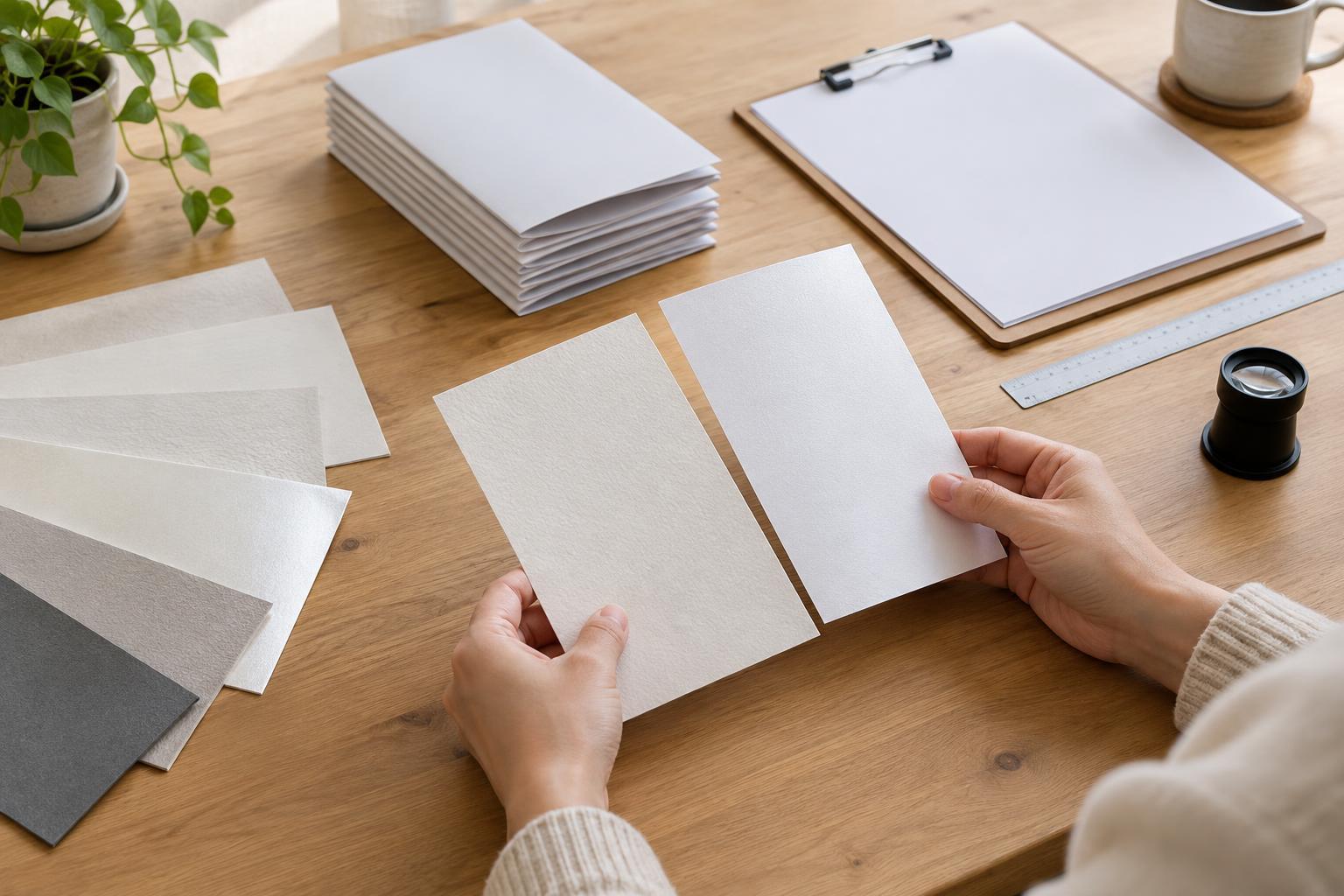
If you are uncertain about a specification, invite a practical alternative. A shop might suggest a different stock or format that suits the project or its equipment. Ask it to explain how the alternative changes the look, feel, price, or schedule. You can then request a revised quote for that option rather than treating unlike products as identical.
Build a fair comparison
Put the responses into a simple comparison sheet with one row per shop and columns for quantity, finished size, material, printing, finishing, proof, delivery, production time, and total price. Record any differences in assumptions beside the numbers. A lower quote for a lighter stock or without delivery is not necessarily a lower price for the job you want.
Check how each shop handles setup charges, artwork corrections, proof changes, and reprints if you revise the files after approval. Ask whether the quoted amount includes applicable taxes and shipping. If a deadline matters, distinguish production time from the date you will have the finished pieces in hand. Find out when the clock starts: it may be after the shop receives usable files and you approve a proof.
Price matters, but so does whether a shop has understood the brief. A clear response that identifies an ambiguous fold, unsuitable material, or missing file may save a difficult revision later. Compare the proposed product and process, not just the final figure.
Prepare artwork for an accurate final price
A quote based on a description may need confirmation once the shop sees the files. Before sending final artwork, ask for its preferred file format, color settings, image requirements, bleed, safe area, and font handling. Do not assume every shop wants the same export settings. If someone else designed the piece, pass the printer’s requirements to that person before files are finalized.
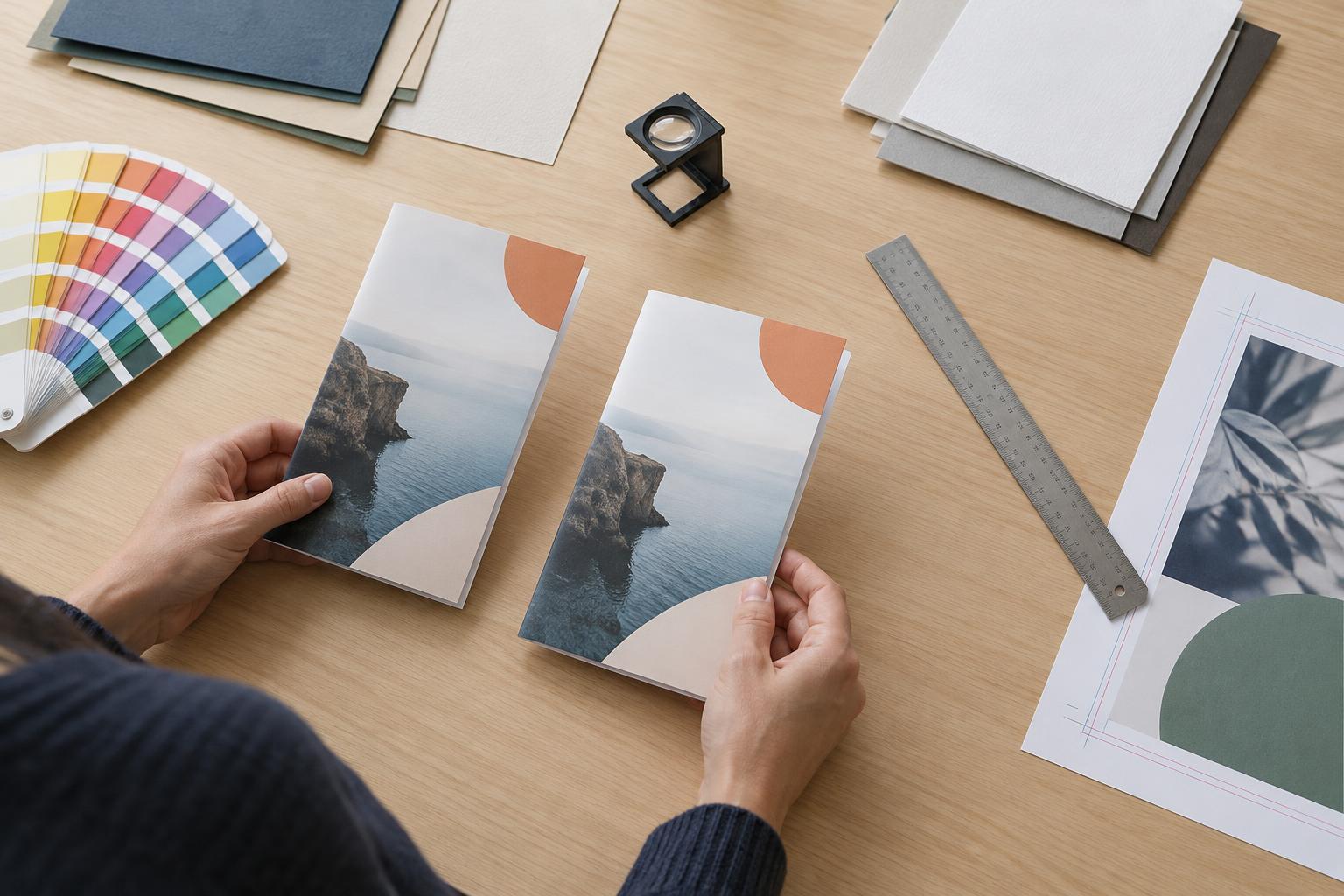
Review the proof carefully for spelling, contact details, page order, trimming, and placement of important elements. A proof is a chance to catch mistakes, not merely a formality. If color or material is critical to the design, ask what the available proof can and cannot show. Screens and printed stocks can make the same design appear different, so discuss expectations before approving production.
Confirm the order in writing
Once you choose a shop, send a short approval that names the agreed specifications, quantity, total cost, proof arrangement, delivery method, and required date. Confirm who will give final proof approval and where the finished pieces should go. Keep the approved proof and final quote together so both sides have a clear reference if a question arises.
For future projects, save the brief and note what worked. A useful record might say which stock felt right, whether the fold behaved as expected, and which details needed clarification. The next quote request will be quicker, and you will be better equipped to ask for the printed piece you actually want.