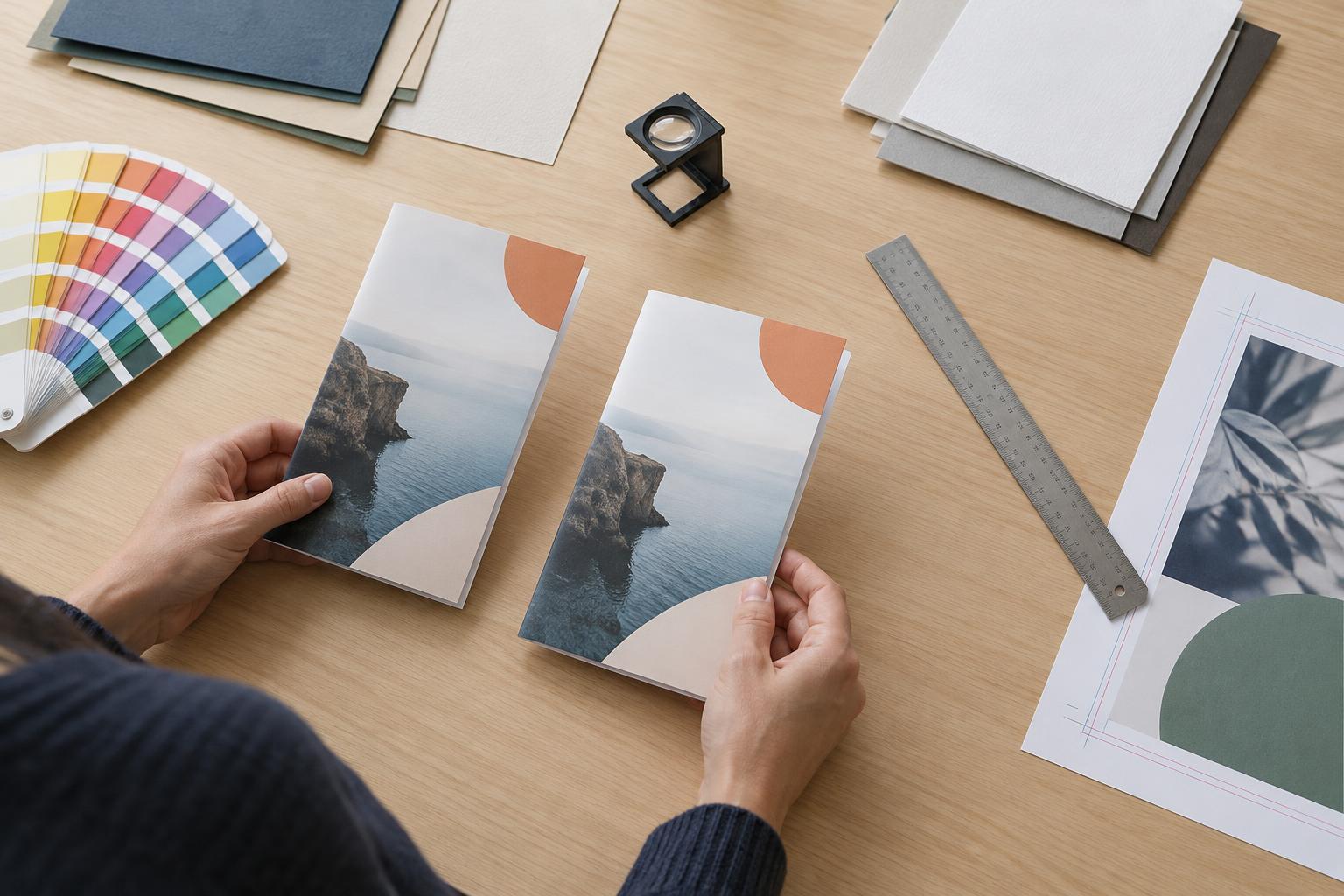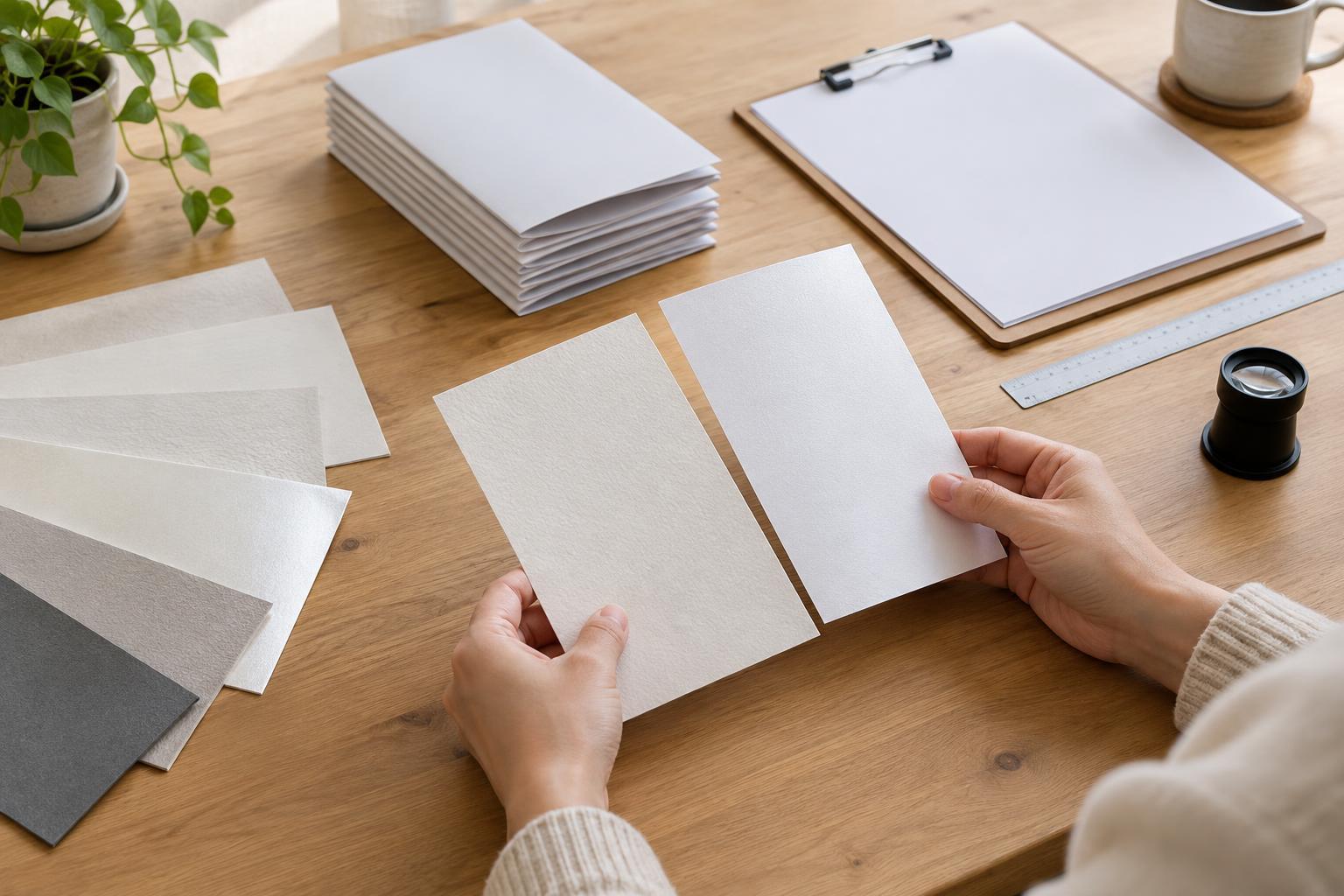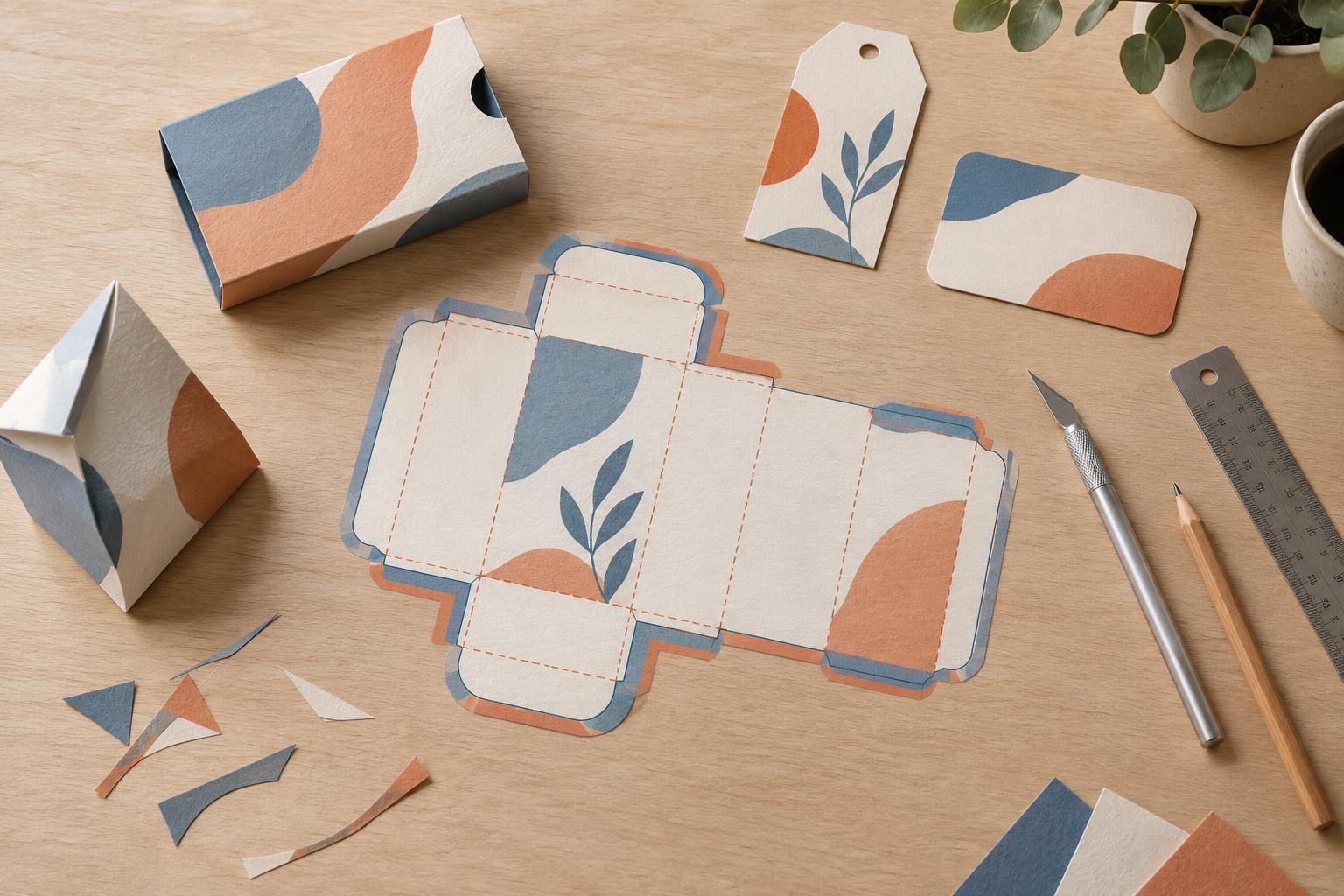
Start with the job the piece has to do
A finish is the treatment applied to a printed surface after, or as part of, printing. It can protect the piece, change its texture, draw attention to a detail, or shift the way colors appear. The useful question is not “Which finish looks best?” but “What should this finish help the reader notice or do?” A takeaway menu that will be handled repeatedly has different needs from an invitation opened once or a business card meant to be written on.
Before requesting a quote, describe the piece in ordinary terms: where it will be used, how long it needs to last, whether it will be folded, and which information matters most. Then identify one main purpose for the finish. A finish can perform several roles, but a clear priority makes it easier to compare options and avoid paying for an effect that does little for the message.
Lamination: protection with a change in feel
Lamination adds a thin film over the printed surface. It can help a piece withstand frequent handling and offers a distinctive smooth feel. Gloss lamination tends to make imagery look lively and reflective; matte lamination reduces glare and gives a quieter appearance. Both change the character of the paper underneath, so consider whether its natural texture is part of the design.
A useful brief might be a product card that customers pick up repeatedly. Lamination could help protect the surface while supporting a consistent look across a set. It may be less suitable for a card with a handwritten appointment field: many pens do not write reliably on laminated areas. Lamination can also affect creasing and folding, particularly on heavier stock. Ask the printer about the intended fold and test a physical sample rather than assuming a flat proof tells the whole story.
Varnish: broad coverage or selective emphasis
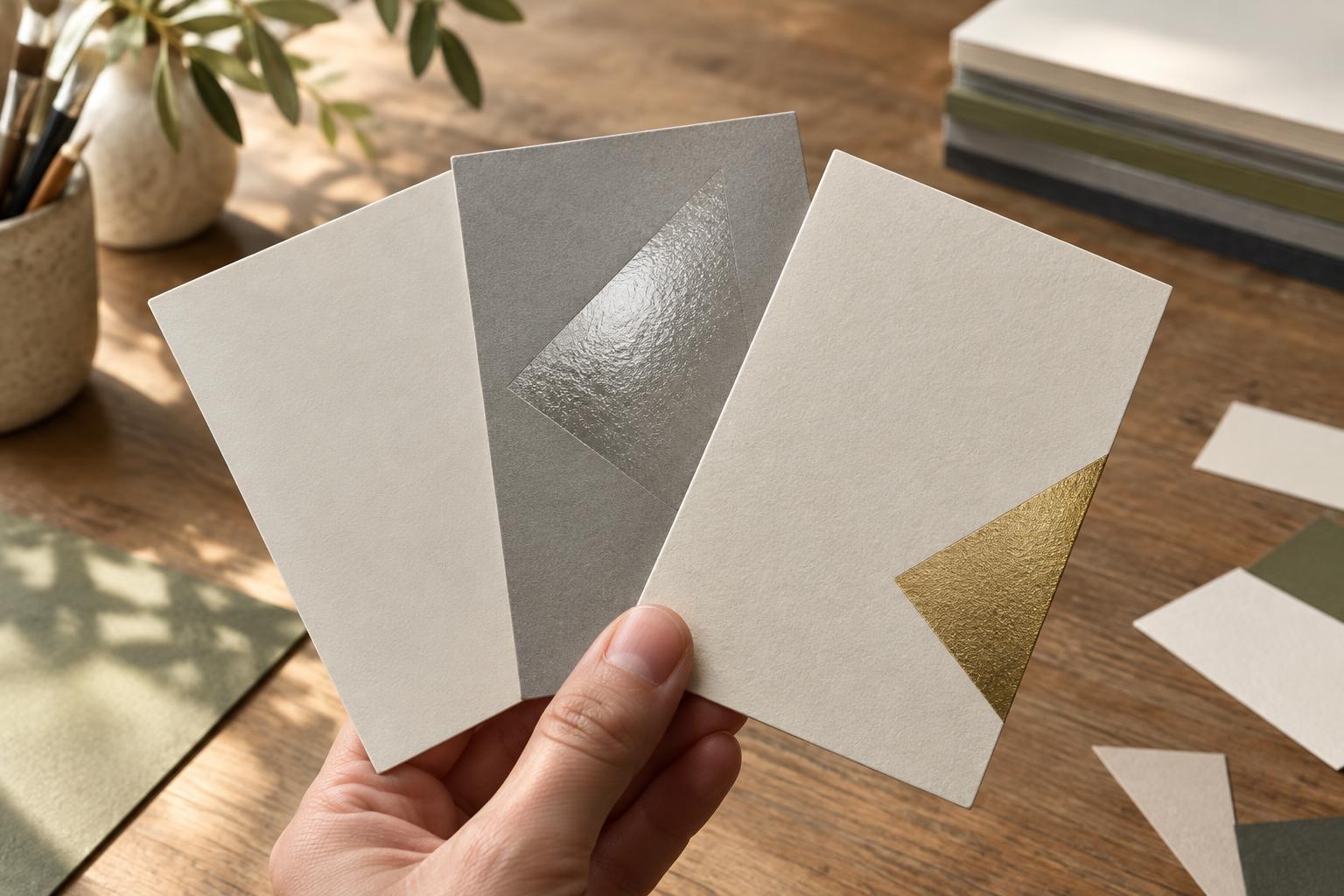
Varnish is a coating applied to the printed sheet. Depending on the process, it can cover the whole surface or selected areas. An all-over varnish can provide a degree of surface protection and adjust the overall sheen. A spot varnish, including a high-gloss spot UV treatment, creates contrast by making chosen elements catch the light against their surroundings. The exact effect depends on the stock, ink, coating, and viewing conditions.
Consider a brochure cover with a large photograph and a short title. A spot treatment on the title might add emphasis without changing the entire image. It works best when the treated shape is simple and large enough to register cleanly. Fine type, tight outlines, and effects that must align perfectly with tiny details are riskier choices. Ask for the printer’s artwork requirements and confirm how the varnish will be shown in the production file.
Foil: a focal point, not a substitute for hierarchy
Foil transfers a decorative layer, often metallic, onto selected parts of a design. It can make a mark or short line of type feel prominent because it responds to light differently from printed ink. That response also makes it less predictable in photographs or under changing lighting. A foil logo may look striking on a package sleeve, but essential information should remain easy to read without relying on its shine.
Use foil where a small, deliberate accent supports the concept: a symbol on an invitation, a product name on a label, or a restrained border. Large foil areas, very fine details, and placement near cuts or folds can present production challenges. Different foil methods have different artwork and stock requirements, so provide the printer with the actual design and ask what can be reproduced consistently. Check a physical sample under both direct and softer light.
Make the choice on a real sample
Finish, paper, and artwork work as a system. A matte surface can support calm typography but may mute the impact of an image. A glossy treatment can add energy but also create reflections where someone needs to read small text. Combining finishes can produce useful contrast, yet each added process may affect price, setup, turnaround, or consistency. Request quotes for a simple version and a finished version so the extra treatment has to justify its role.
For a small-business print brief, write down the stock, size, quantity, folds, areas that must accept handwriting, and intended finish. Ask the printer for samples made on comparable stock, along with guidance on file setup and any limitations near edges or creases. If disposal matters to the project, ask about the specific materials and local recycling guidance rather than assuming every coated or laminated piece is handled the same way. The right finish is the one that helps the piece survive its use and makes its message easier to understand.